
A Deep Dive into the Delights of Deep-Fried Sushi Rolls
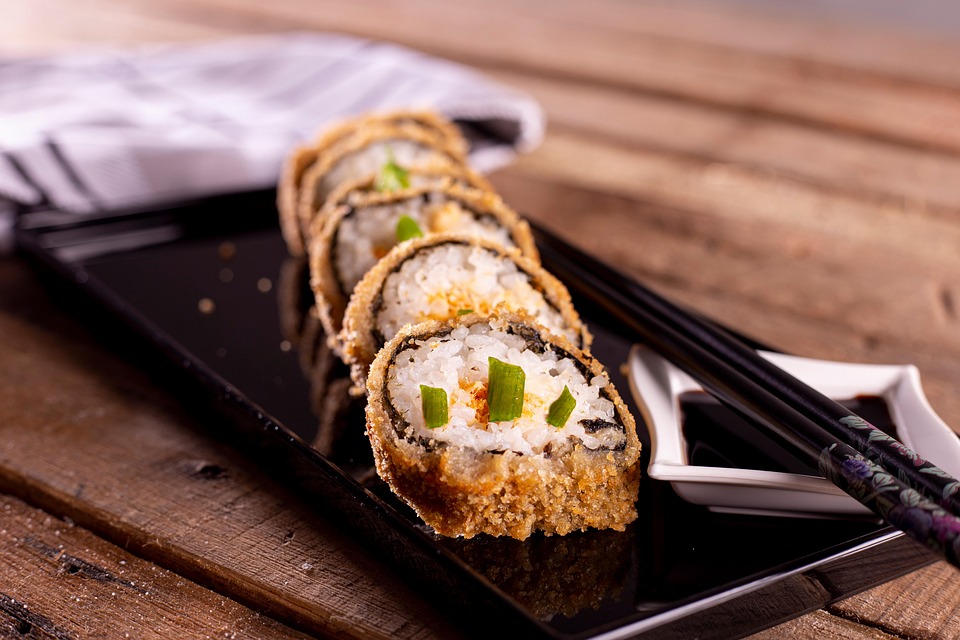
In the diverse and ever-evolving world of Japanese cuisine, the image you provided showcases a popular, modern interpretation: the deep-fried sushi roll [27, 29]. This style, often referred to order.chuanfurestaurant.com as tempura maki or hot rolls, diverges from traditional Edomae sushi by offering a unique, crunchy texture and a comforting, warm serving temperature [27]. It is a dish that highlights fusion flavors and has become a staple in sushi restaurants around the world.
The Anatomy of the Hot Roll
The preparation of these rolls is a multi-step process that combines standard sushi techniques with deep-frying.
- Ingredients and Structure: Like conventional maki (rolls), they start with a layer of seasoned sushi rice and nori (seaweed) wrapped around fillings. In the image, we see a variety of fillings, likely including cream cheese, avocado, salmon, and possibly crab stick or shrimp [27].
- The Crispy Exterior: The key difference is the outer layer. The assembled rolls are typically coated in a light tempura batter or a Panko breadcrumb mixture before being briefly deep-fried to a golden crisp. This process creates a stark textural contrast to the soft interior ingredients [27].
- Presentation: The rolls are then cut into bite-sized pieces and neatly arranged on a wooden board. The dish is usually accompanied by traditional condiments like soy sauce for dipping, and a small mound of pickled ginger (gari) for palate cleansing, as seen in your image [12, 15].
Flavor Profile and Popularity
Deep-fried sushi offers a distinct sensory experience. The warmth and the savory crunch of the exterior provide a satisfying contrast to the cool, fresh, or creamy interior fillings [2]. The frying process enhances the flavors of ingredients like salmon and cream cheese, making the dish richer and often more appealing to those who are new to raw fish.
This type of sushi is incredibly popular in Western countries and parts of Asia, where fusion cuisine thrives [20]. It often appears on menus as «Dynamite Roll,» «Volcano Roll,» or «Crunchy California Roll» [26]. It represents a creative departure from the purist approach to sushi, proving that Japanese cuisine is dynamic and open to innovation.
A Modern Take on Tradition
While traditional sushi masters might focus solely on the delicate balance of fresh fish and vinegared rice, hot rolls embrace indulgent, savory flavors. They are a testament to the adaptability of Japanese food culture, providing a delicious, hearty option for a wide audience.